
Notes from a Texas Master Naturalist about native plants and why they matter to wildlife.
Everyone knows how important it is to fix leaks around the house and yard. It avoids water waste, and you aren’t paying for water you don’t use, so there is also the money savings. But sometimes a dripping faucet means a lot to a butterfly!
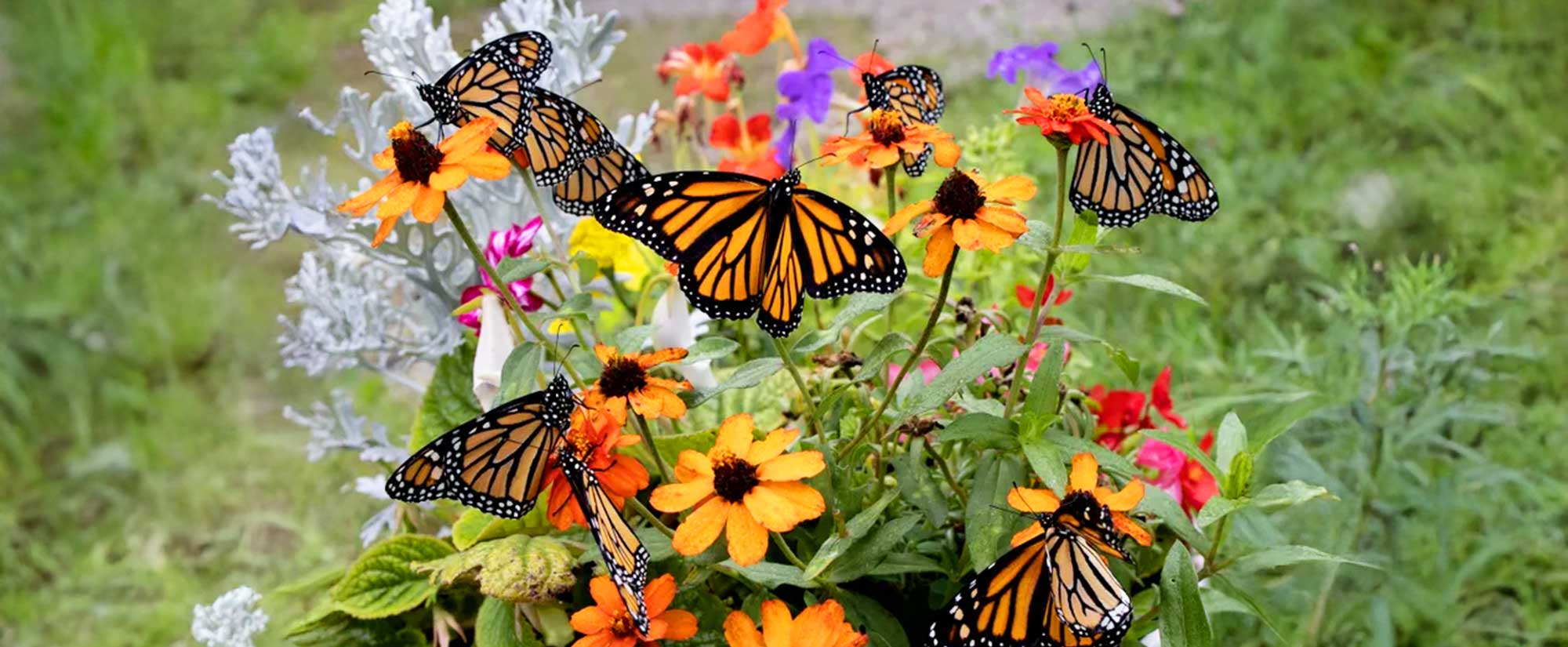
The butterflies are already in flight this spring! It means they need food, water, and shelter. So what spot in your landscape would be the best location for a butterfly retreat? Is there someplace with a nice group of native shrubs that are their favorite food sources? Do you also have some of the “host” plants they need for egg laying? And is there water present for them to drink, and for the males to access the nutrients they need to successfully breed? (It’s called puddling.)
If you already have the plants in place, but not an oasis, give those winged beauties a shallow dish of water. An easy way to assure continual water presence is to locate your oasis near an outdoor faucet with a “dripper” attached. Or even better, set up a rain barrel to collect the chemical-free precipitation and attach the dripper to the outlet! Then, in either case, use the bowl part of a birdbath, or some similar-sized saucer such as potted plants have, or any (preferably) non-metal shallow container filled with small gravel along one side with a few slightly larger rocks near the center. The rocks and gravel mean the butterflies, and sometimes small birds, have a place to stand without getting too wet in the water, and can still get a drink.
If you’re serious about making it a full-service butterfly retreat, set out a small, separate flat saucer near the water bowl and keep it stocked with over-ripe banana pieces and orange slices as supplemental food.
Remember that plants butterflies lay eggs on are well adapted to the relationship, and are able to quickly regrow the leaves eaten by caterpillars. The plants “know” that the butterflies are providing the needed pollination, so more of the plant’s seeds will be successful in growing. It’s an interaction eons in the making, and you can help assure it continues – right in your landscape!
Ask your Native Texas Landscape consultant about assistance in setting up your butterfly retreat and adding any needed native shrubs our butterflies rely on for food, for them to lay eggs, and for caterpillars to eat. You’ll be rewarded with those colorful winged insects all summer!
Teri MacArthur has been a certified Texas Master Naturalist since 2001, and is an environmental educator offering a broad scope of adult and youth nature programs in the region.
April 2026

