
Notes from a Texas Master Naturalist about native plants and why they matter to wildlife.
Those great native plants, shrubs, and trees you’ve added to your landscape are sure to attract the birds, butterflies, and other lovely wildlife you want in your yard. It’s a common misconception, though, that if you plant natives, you will end up with overgrown, leggy, or too-tall-for-the-space greenery. While it’s true some natives prefer not to be “hedged” to maintain height or girth, most will happily continue to provide their blooms, fruits, and seeds even if you give them a “haircut” now and then for size.
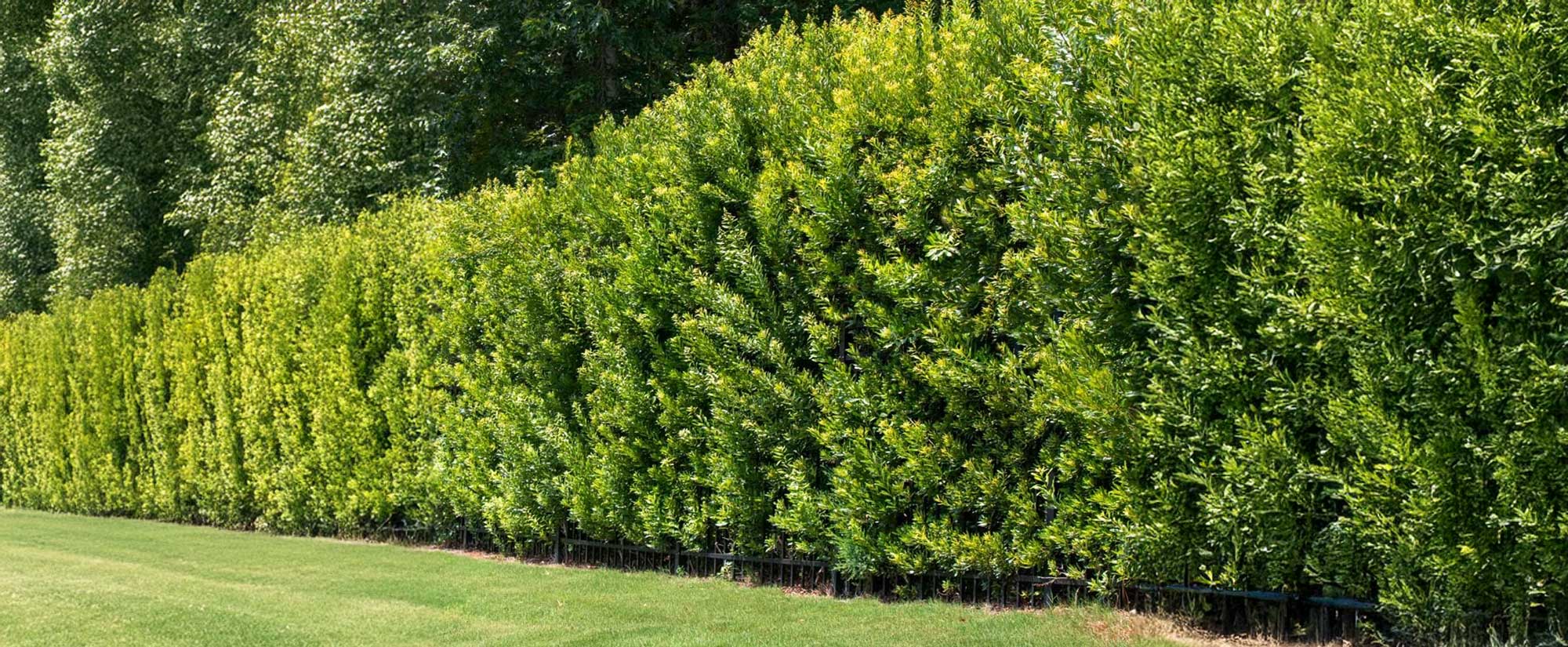
Think Southern wax myrtle (Myrica cerifera). What a wonderful bird-attracting tall woody shrub, or small tree! It depends on how you prune, or groom-prune, what its shape and height will be. You won’t find a better privacy screening plant with such bird attraction. Keeping it the size you want is up to you.
And consider shrubby bloomers such as Virginia sweetspire (Itea virginica). The gorgeous spring spires of flowers, followed by typically colorful leaves in the autumn, will draw multitudes of butterflies during the blooming season and lots of birds for the seeds that ripen by fall. But it hates growing as a sole plant and can easily get very leggy. Solution: plant several in a clump, then clip as needed in mid-winter to control their spread. It’s really a plant to love and doesn’t need a lot of control.
Native plantings, whether flowering plants, mid-size woody shrubs, or trees, create a working landscape that attracts and feeds wonderful wildlife by providing habitat – food, water, shelter and space! Find the ones that best suit your landscape and draw in your favorite butterflies, and more.
Your Native Texas Landscape consultant can guide you in bringing beauty to your outdoors and keeping your natives in check with careful pruning. Further, they will know the growth and bloom habits of the plants, such as whether they bloom on new wood or old, so pruning or grooming is done at the correct point in their growth season. Don’t miss out on the colorful visitors you can attract. The small amount of maintenance needed is truly worth the effort!
Teri MacArthur has been a certified Texas Master Naturalist since 2001, and is an environmental educator offering a broad scope of adult and youth nature programs in the region.

