
Notes from a Texas Master Naturalist about native plants and why they matter to wildlife.
Dragonflies have been abundant in most parts of the state this warm summer. But the approach of fall may seem to multiply the numbers of some species. More than a dozen different kinds of dragonflies migrate south in the fall, although only five frequently pass through our part of Texas from July through September. But even these travelers still need to eat, so to help them out, just leave the stems of some of your native plants that are heading into dormancy and losing their leaves.
Dragonflies eat insects, so they don’t need the pollen or nectar as butterflies do, but they need places to perch while they hunt, to rest overnight when they aren’t active, or when it’s not yet warm enough in the morning to fly. Tall, dried stems of woody plants and shrubs, including aquatic plants if you have a water feature, are perfect for dragonfly use! You may not notice these voracious hunters until they fly into the air for some of their favorite foods: mosquitoes, wasps, plus a host of additional flying insects. Glimpsing the beauty of dragonflies is enough to consider leaving some stems of your dormant plants, cutting them down in winter to make room for new spring growth.
“Google” these common migrants through our area to make certain you know which ones we may not always see, using their “scientific names” to find the correct species.
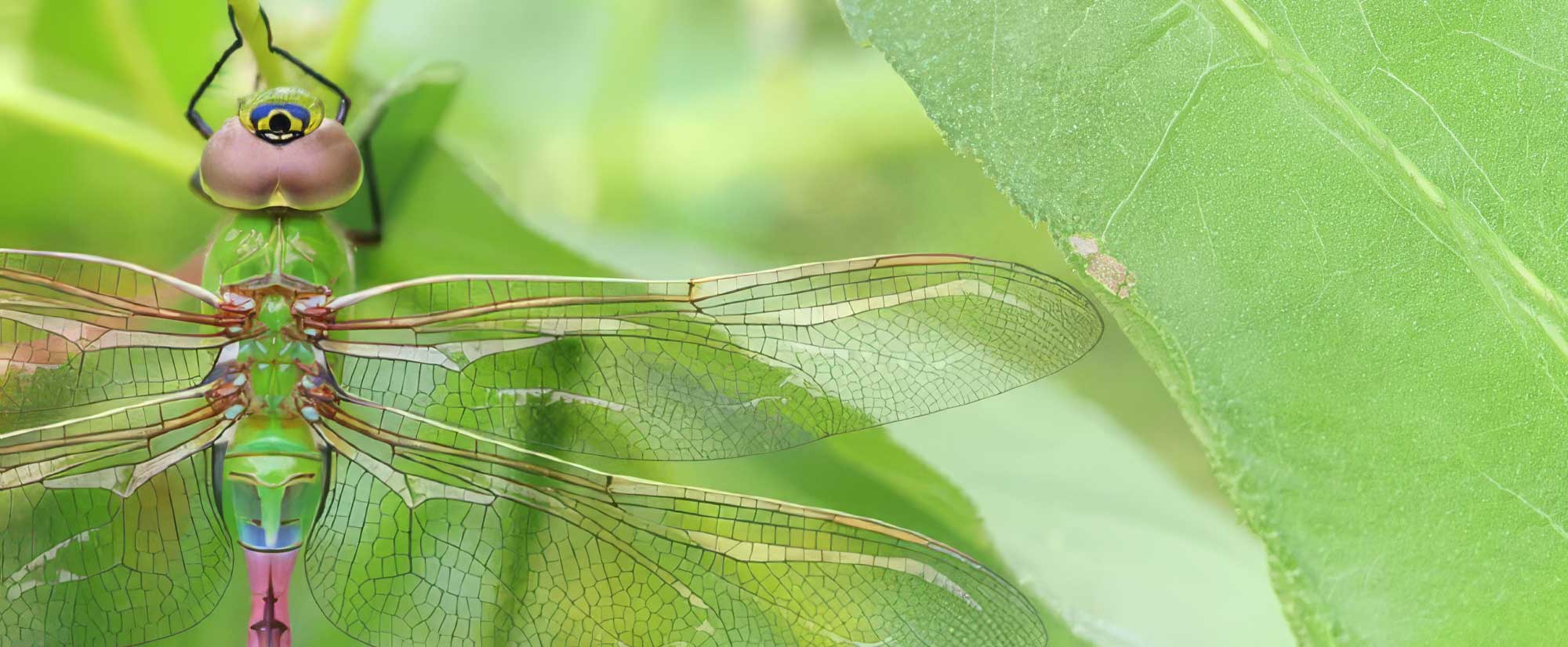
Common Green Darner (Anax junius), is as the name indicates, generally green on the head and thorax, though there may be some blue on the abdomen area.
Spot Wing Glider (Pantala hymenaea), is yellowish-orange with dark black tail portions and has clear wings.
Wandering Glider (Pantala flavescens), is a yellowish-orange color over most of the body with clear wings.
Black Saddlebag (Tramea lacerata), is dark with clear wings except next to the body where there is a black band on the wings.
Variegated Meadowhawk (Sympetrum corruptum), is dark in color except for orange-ish narrow bands along the tail portion.
Your Native Texas Landscape consultant will suggest which plant stems can be left without deterring from the appearance of your landscape while fall migrating dragonflies use them until winter! You’ll be making a difference for these lovely creatures to have resting and perching places, especially for those passing through.
Teri MacArthur has been a certified Texas Master Naturalist since 2001, and is an environmental educator offering a broad scope of adult and youth nature programs in the region.
September 2026

