
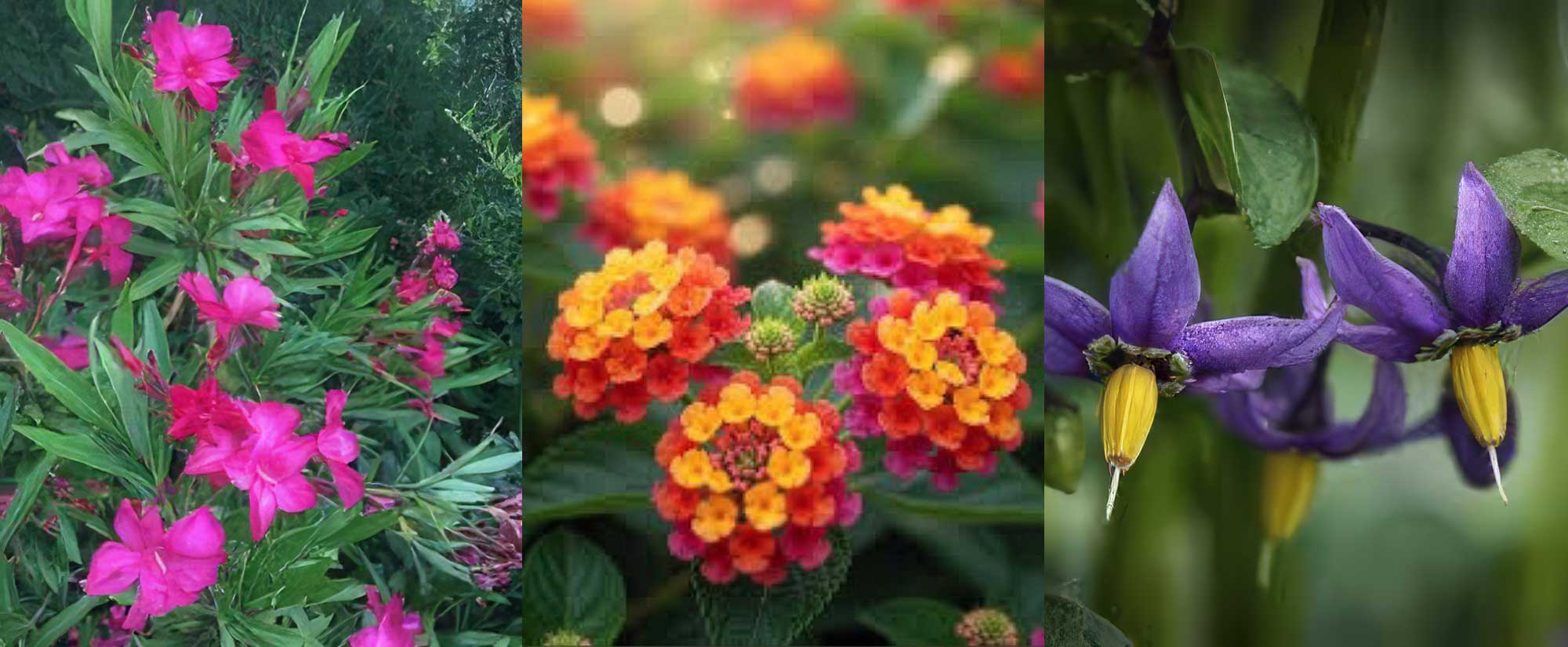
Notes from a Texas Master Naturalist about native plants and why they matter to wildlife.
Just because plants can’t run away if a predator decides to eat them for lunch doesn’t mean they are helpless. Plants have lots of ways to protect themselves: thorns and prickles, bitter taste, hairy stinging leaves, and, YES, even toxins and poisons with the potential to be fatal when ingested.
If you have young children, or pets, that explore their world by tasting it – putting things in their mouths – consider learning more about the vegetation in your landscape and monitoring access if you have plants that may cause illness, or worse. A lot is published for the agricultural world to prevent cattle, horses, and other animals from being penned in places with plants known to cause health issues. If you’re interested in knowing about your plants, it’s not a bad place to start your research since most problem plants for livestock can also be dangerous for humans and their pets. This very short list is intended to put perspective on some of the hundreds of plants that can be found in residential yards, parks, and open spaces where your kids and pets could have access.
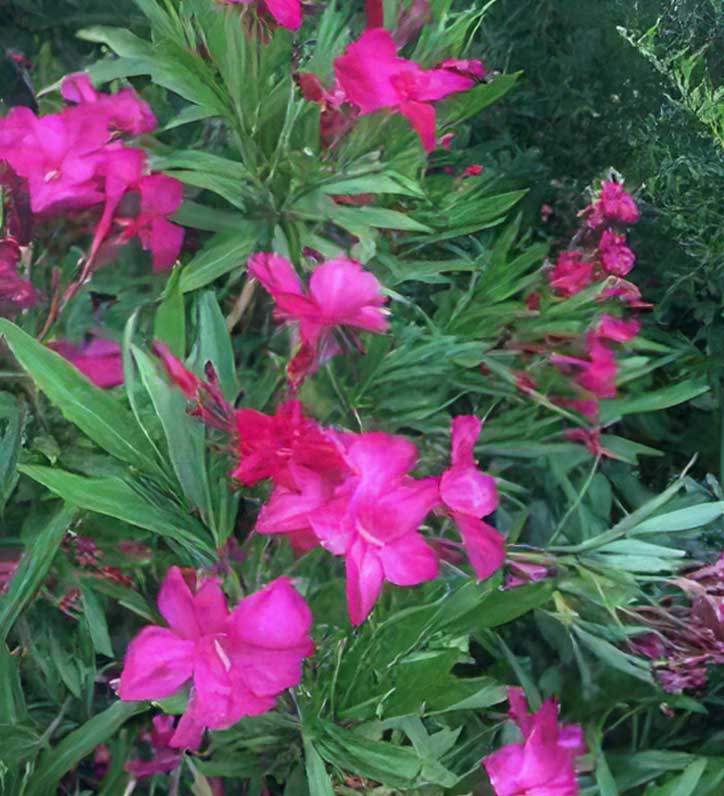
Oleander is likely the most poisonous plant in the state of Texas, containing a cardiac glycoside. It’s found along roadsides, especially in the southern part of the state, because of its lovely blooms and fast growth. But you might find it in a park setting or a residential yard. Its fast-acting poison leads quickly to heart failure. The green leaves taste bad, but livestock is known to readily eat dead leaves, which aren’t as bitter. Never burn oleander, as the smoke can also carry the poison, nor should any part of oleander be put into your compost, as the poison can remain.
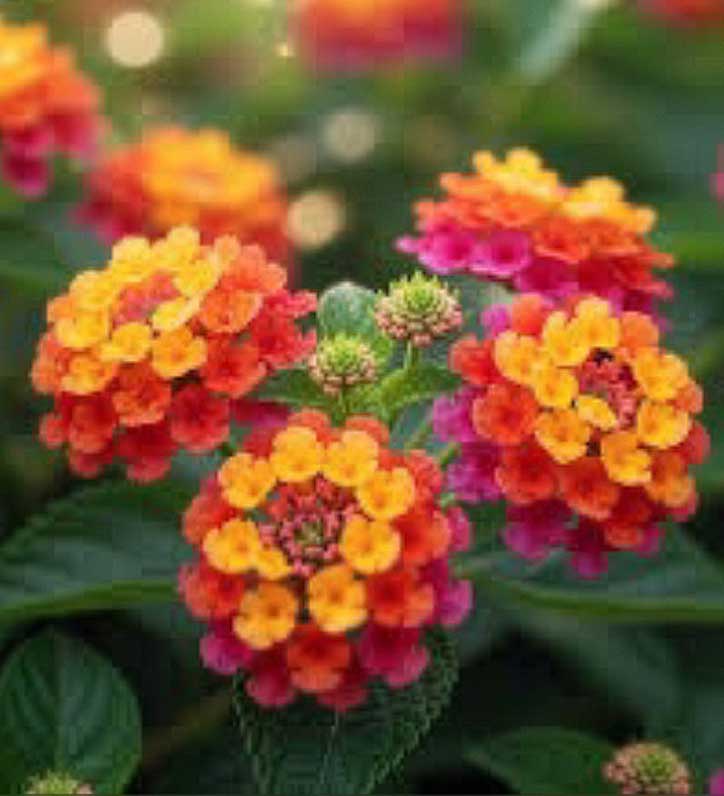
Lantana is probably the second most dangerous plant, although the Nightshade family members are contenders. Lantana toxins attack the liver, leading to photosensitivity (skin may blister in the sun, then slough off) and/or jaundice. The amount consumed can determine the degree of damage to liver function.
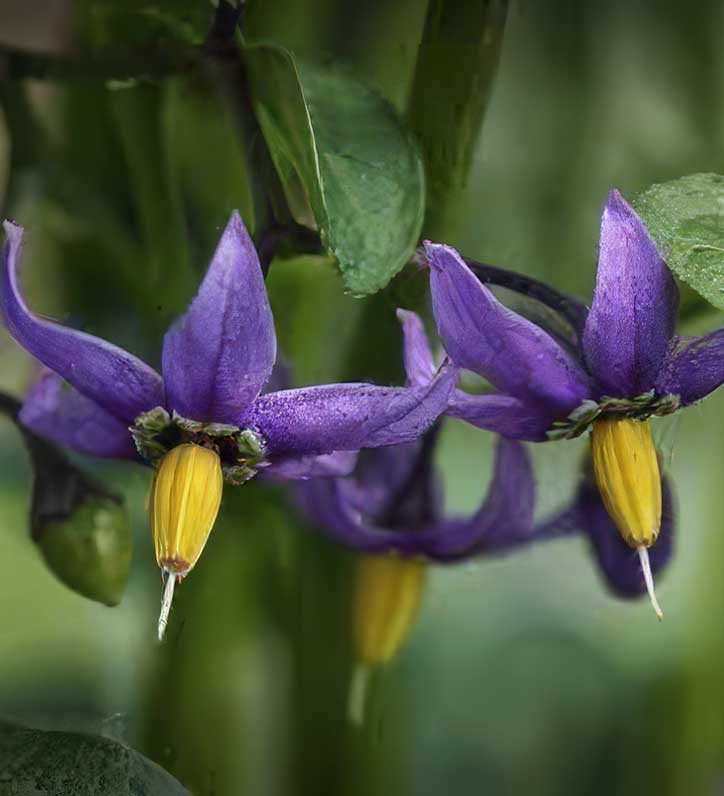
Nightshade species such as Datura, Nettles, and other Nightshade family plants contain alkaloids/glycoalkaloids that can attack the gastrointestinal tract and/or central nervous system. Outcomes from ingestion range from moderate-to-extreme illness to fatality.
Ask your Native Texas Landscape consultant to help guide you if removal is warranted, or when choosing new plantings. Native plants, as well as some non-natives in Texas, are critical to environmental health, ecosystem functions, and wildlife. Knowing which have the potential to be toxic to children and pets can prevent unwanted health issues by the simple precaution of monitoring time outdoors for those who may tend to put things in their mouths.
Teri MacArthur has been a certified Texas Master Naturalist since 2001, and is an environmental educator offering a broad scope of adult and youth nature programs in the region. March 2026

