
Notes from a Texas Master Naturalist about native plants and why they matter to wildlife.
You already know native plants are great for birds and bees, but are there other perks from having native plants in areas of your landscape? Let’s consider just one of the many ways native plants make your garden healthier: soil improvement!
Healthy soil is full of organisms working in numerous ways to help plants grow well and produce blooms, seeds, and food, such as produce as well as possible. But in contrast, soils where native plants are growing and non-native invasives are gaining ground, researchers tell us there is a huge and detrimental difference. Organisms such as fungi, bacteria, and invertebrates have full-time jobs to decompose and recycle nutrients from dead matter, to create pathways in the soil for oxygen and water to circulate, and to support other plants by sharing nutrients through a network of fungi. But those hard workers have spent eons adapting to the vegetation in any given ecosystem so the work and exchanges function properly. When non-native plants with no previous associations yet developed are introduced, the result is often serious losses of those organisms.
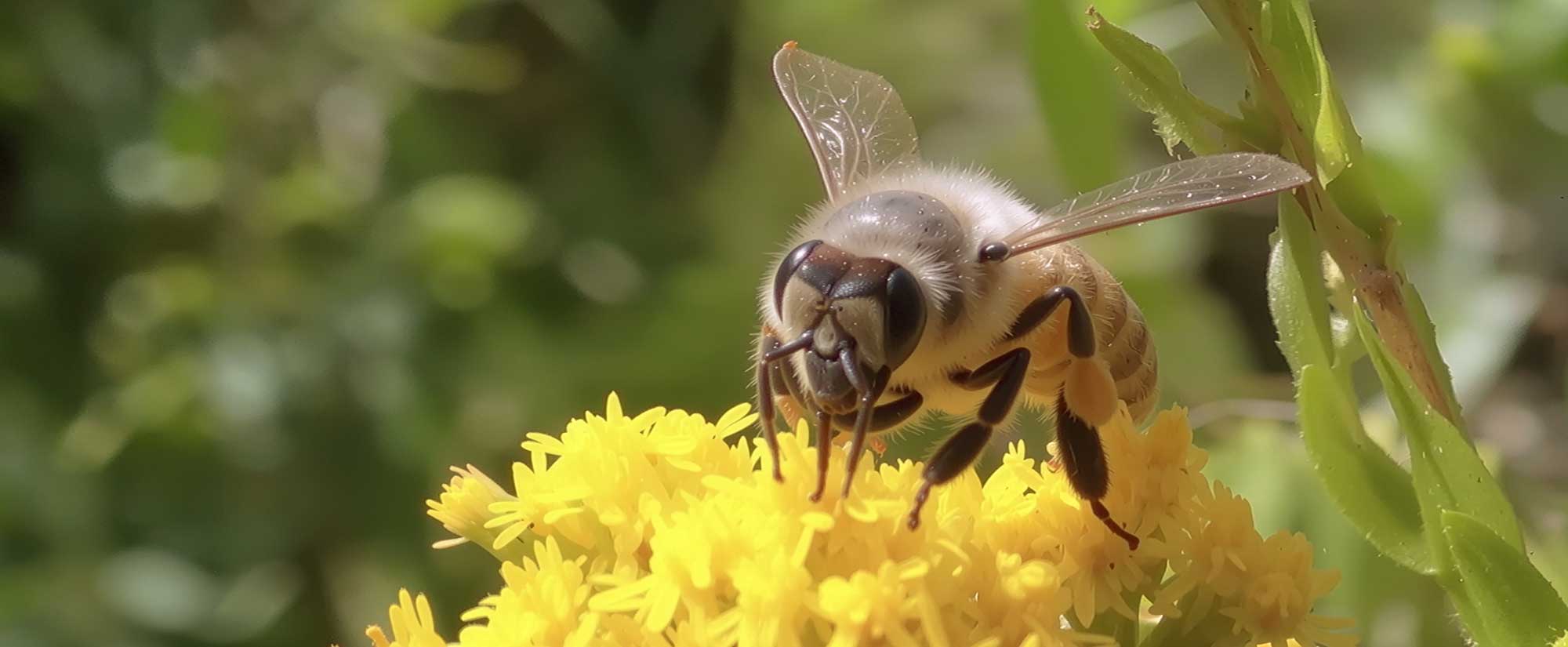
Let’s look at one native often disparaged: goldenrod. Yes, it is a critical source of protein for fall and winter bees, butterflies, and birds because it continues to bloom right up to the onset of winter. But, additionally, it has soil associations with multiple organisms in the community of decomposers in the soil. By breaking down and recycling nutrients plants need, they aid plants in building up their root systems over the winter months when they aren’t expending their energy in making leaves. Soil researchers have discovered that the fungi and bacteria that interact with goldenrod roots work harder to improve overall soil health than previously understood. NOTE: Goldenrod is only one of many native plants with this superpower. Other vegetation in the lupines (bluebonnets), legumes (peas), and clovers (such as that gorgeous red clover alongside roads) families, plus others, are also great for soil health.
PS – No, it’s not goldenrod that causes you to sneeze. That’s ragweed, which blooms at the same time but doesn’t have showy flowers; so, folks typically assume it’s the goldenrod that they notice.
If you have a corner spot to grow some goldenrod, or other soil-building vegetation, contact your Native Texas Landscape consultant to assist you in finding native species to add to your bird and pollinator support plantings. You are likely to see an increase in fall migrating songbirds who love the stuff!
Teri MacArthur has been a certified Texas Master Naturalist since 2001, and is an environmental educator offering a broad scope of adult and youth nature programs in the region.
August 2026

