
Notes from a Texas Master Naturalist about native plants and why they matter to wildlife.
Considering adding to your outdoor living spaces means choosing amenities for usefulness as well as comfort. One example: Adding a spacious lounging area beneath a beautiful pergola can be a way to increase enjoyable visits from our gorgeous pollinators – butterflies and hummingbirds! And wouldn’t that add to the pleasure of being outdoors!
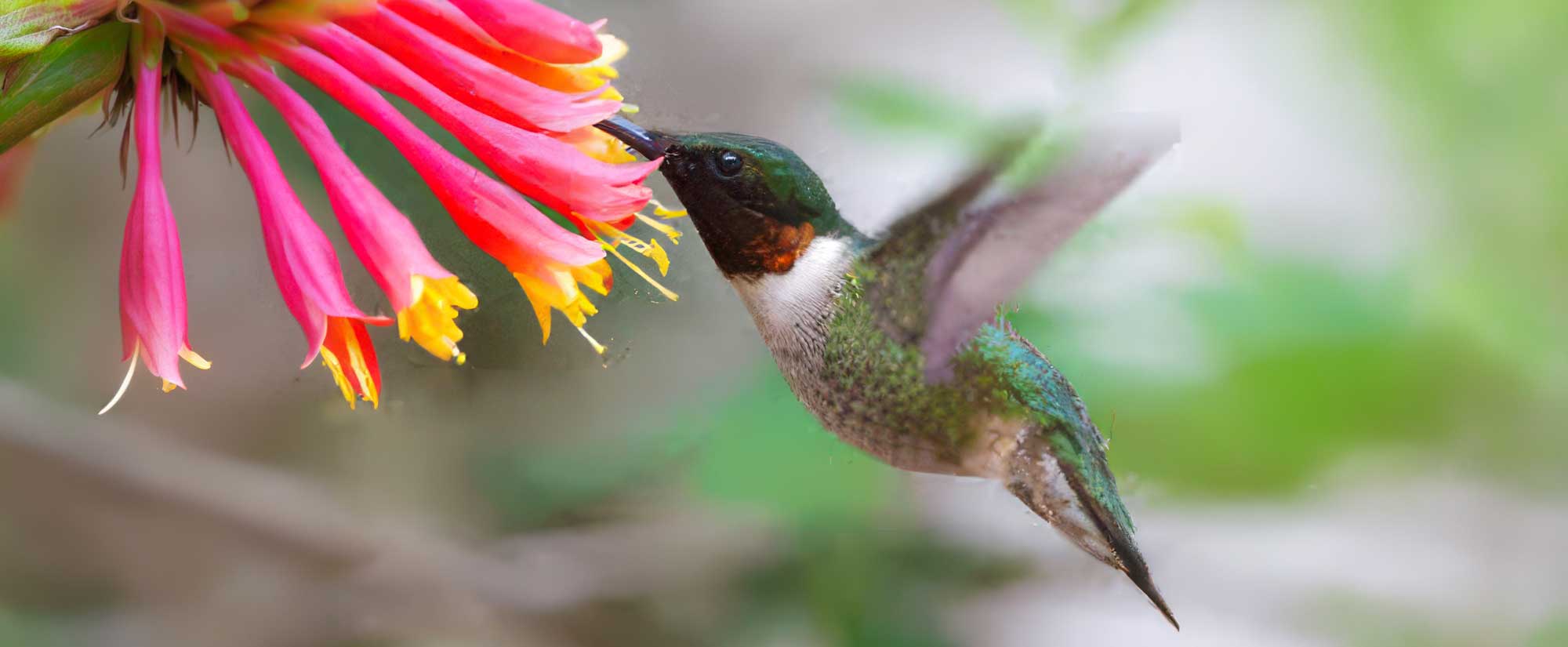
An arbor-type structure, pergola, or similar climbing space for native vines with tube-shaped blooms means that hummingbirds and many butterflies can access the nectar they need to feed upon. Consider our native crossvine (Bignonia capreolata) with its startling yellow-orange and brown flowers, or perhaps another favorite native, coral honeysuckle (Lonicera sempervirens) with its unusual clasping leaves near the orange multiple-bloom clusters. These and other native blooms hide their nectar deep inside so only those pollinators with the longest tongues can reach it, pretty much assuring you will see hummingbirds in the yard if you have such attractions!
Adding a corner space, let’s say, where you can cluster native blooming shrubs that attract additional butterflies, is another way to include more lovely visitors while viewing showy flowers yourself. There are certainly no shortages of native shrubs that can serve those purposes while remaining compact and discreet in your landscape.
With summer here, it’s time to bring your Native Texas Landscape consultant on board to ensure your wonderful new living area is ready for fall enjoyment. No reason not to support native wildlife as part of your plan – and soak up their beauty as part of your outdoor experience.
Teri MacArthur has been a certified Texas Master Naturalist since 2001, and is an environmental educator offering a broad scope of adult and youth nature programs in the region.

