
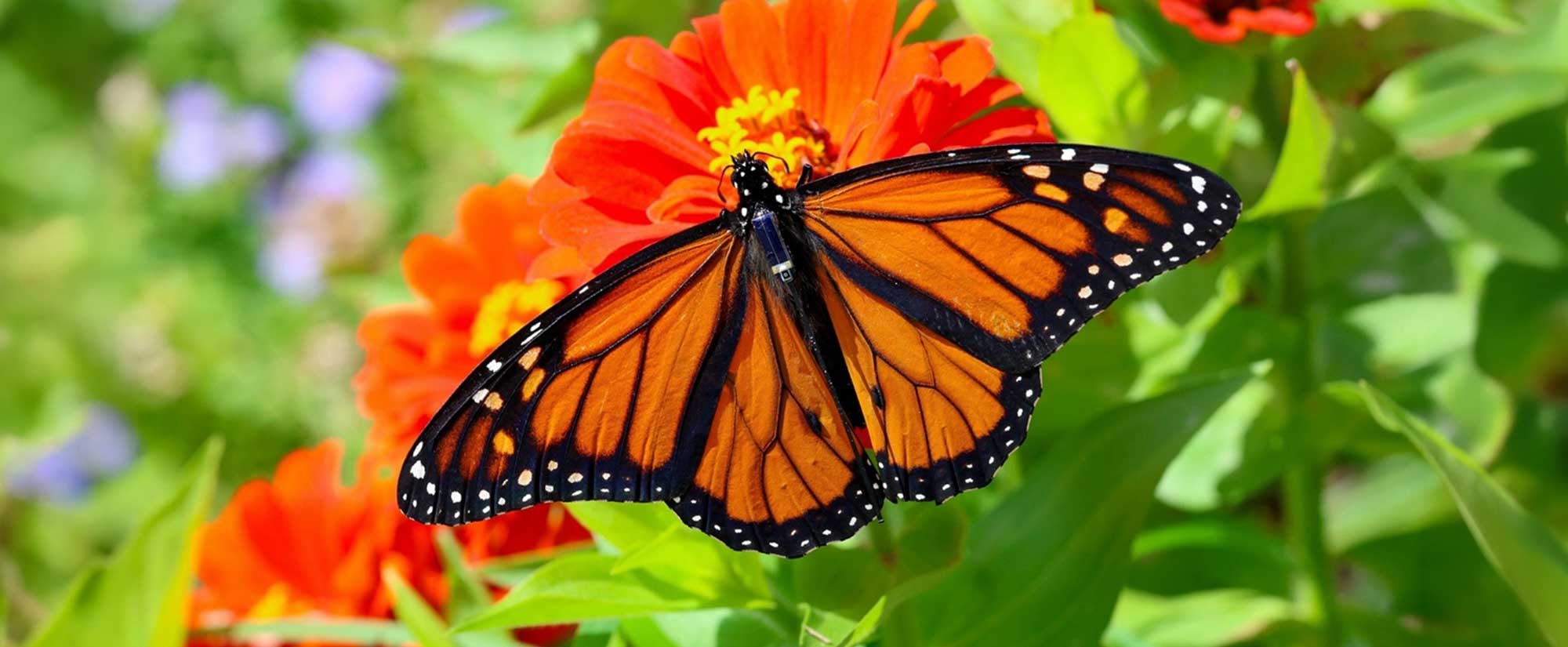
Notes from a Texas Master Naturalist about native plants and why they matter to wildlife.
By now, migrating Monarch Butterflies should be passing through our part of Texas on their way to winter in Mexico. If you have seen them in your gardens, you likely have some great food plants, and they really need nourishment right now as they expend their energy in flight.
If you also have one or more species of native milkweed plants, that is a big bonus for attracting these beautiful creatures into your yard. Yes, there is some food value in milkweed blooms, but what is really needed by those butterflies who are nearing the end of their lives, and their part of this annual journey south, is a place to lay eggs! It can take three, or even four, generations of Monarchs to make the long trip from far north in or near Canada to produce the butterflies that arrive in Mexico, where they last through the winter only to begin heading north again to create future generations. Milkweed is the only plant Monarch caterpillars can eat to grow into adult, flying butterflies, so it’s critical for these end-of-life butterflies to locate it.
If you are being visited by these lovely, winged gems, consider yourself fortunate. You have made some great choices of blooming plants to include in your landscape, and the Monarchs thank you! If you already have added some milkweed, enjoy watching the remarkable life cycle of this butterfly play out right in your yard. And if you haven’t planted milkweed yet, there’s time to get some into the garden before their return to the north coming next spring.
Your Native Texas Landscape consultant is such a great resource for helping you prepare your garden for beauty, and as a welcoming environment for your favorite wildlife: birds, butterflies, and so much more!
Teri MacArthur has been a certified Texas Master Naturalist since 2001, and is an environmental educator offering a broad scope of adult and youth nature programs in the region.
October 2026

