Tree of the month:
The Swamp Chestnut Oak (Quercus michauxii)
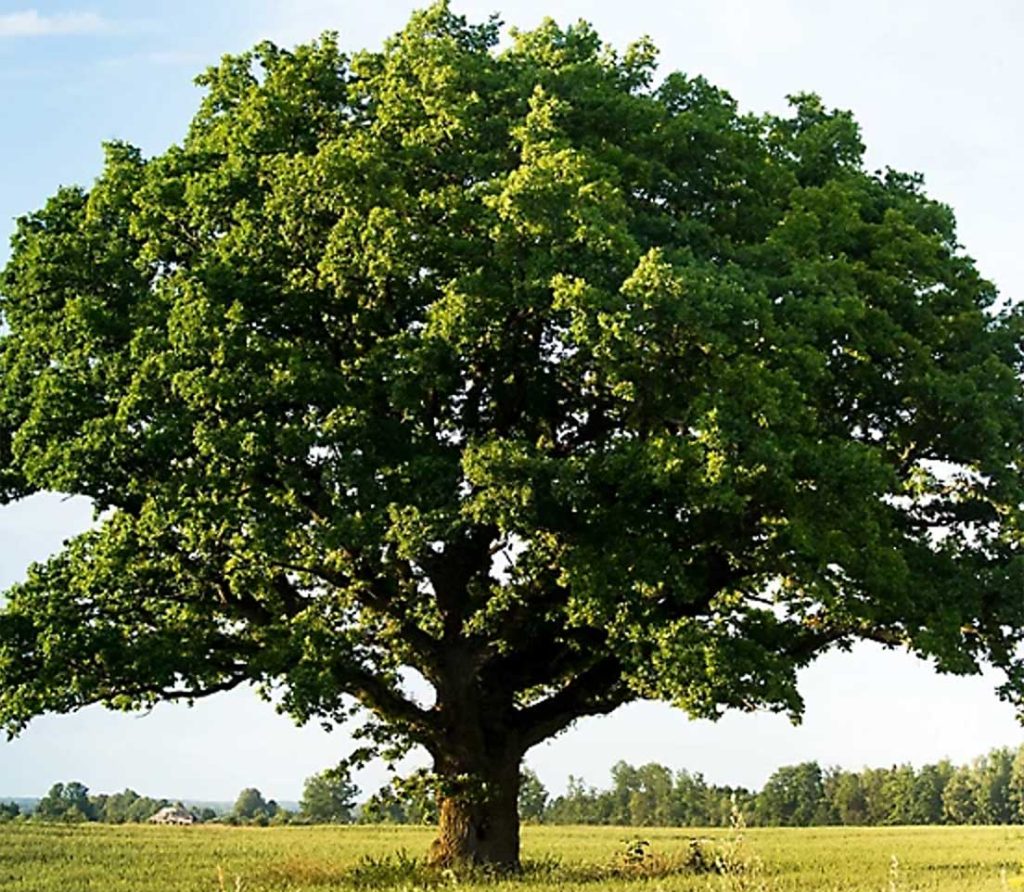
Also known as Basket Oak or Cow Oak, is a magnificent native deciduous shade tree that typically reaches 60–80 feet tall at maturity. With its broad canopy and impressive stature, it makes an excellent choice for large yards, parks, rural properties, and other spacious landscapes. Its strong, durable wood has long been valued for flooring, furniture, and heavy construction. Early settlers also discovered that the wood could be split into long, flexible strips and woven into sturdy farm baskets, giving the tree its enduring nickname, “Basket Oak.” Beyond its beauty and usefulness, Swamp Chestnut Oak is an important wildlife tree. Its large, sweet acorns are highly prized by deer, wild turkeys, squirrels, and bears, while its foliage serves as a larval host for numerous butterfly and moth species. With its combination of impressive size, longevity, wildlife value, and low-maintenance nature, Swamp Chestnut Oak is a standout native shade tree for expansive landscapes.
Key Features:
Leaves:
Glossy dark green, chestnut-like leaves with rounded teeth that turn a brilliant red or yellow in autumn.
Acorns:
Produces very large, sweet acorns (1–1.5 inches long) with low tannin content that drop in the fall.
Size:
Reaches heights of 60–80 feet (and occasionally up to 100 feet) with a rounded crown and a 40–60 foot spread.
Care:
Requires full sun, meaning at least 6 hours of direct sunlight daily. Prefers moist, deep, fertile, and slightly acidic soils, though it adapts well to clay and loams as long as drainage is reasonable. It tolerates damp conditions and occasional flooding better than many other oaks.
Shrub of the Month:
The Carissa Holly (Ilex cornuta ‘Carissa’)
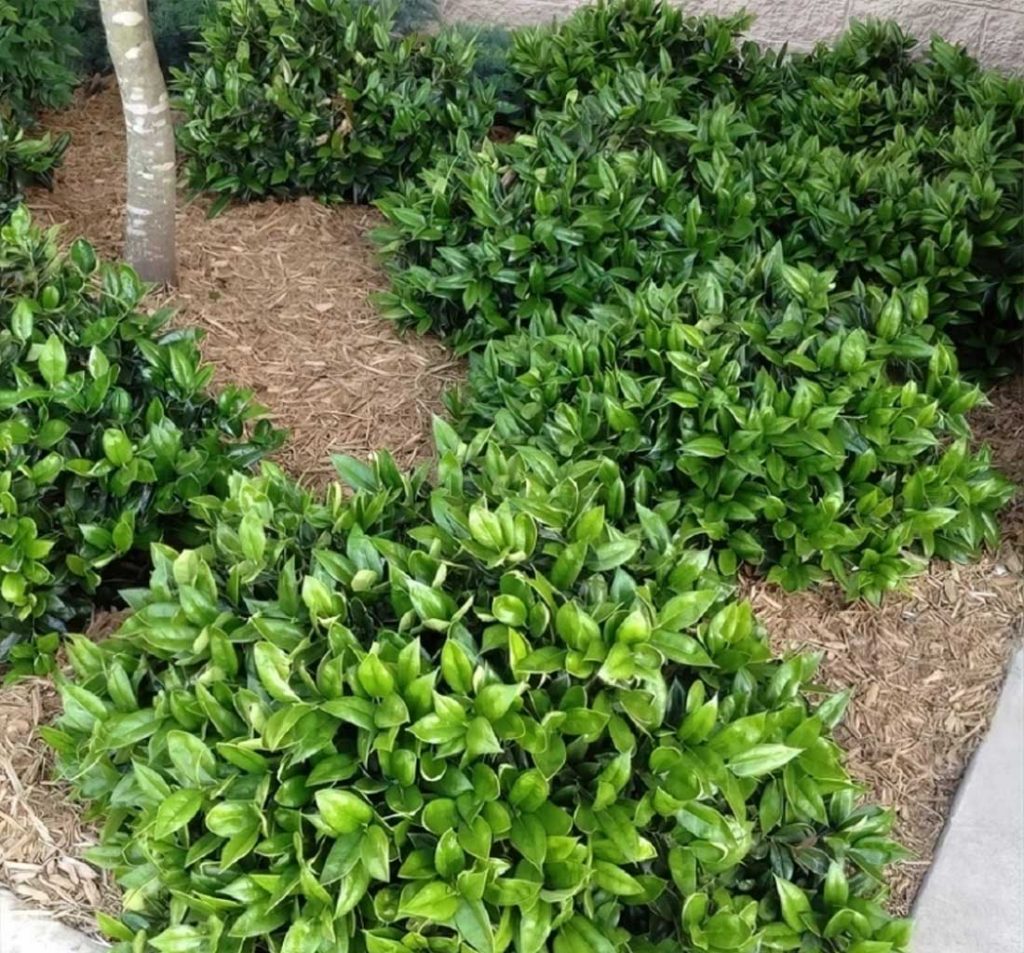
Is a popular dwarf evergreen shrub prized for its compact, rounded growth habit, glossy dark-green foliage, and exceptional durability. Sometimes nicknamed the “green meatball,” this tough little holly is a favorite low-maintenance alternative to boxwoods, particularly in warm climates. Growing naturally into a neat, rounded form, Carissa Holly is an excellent choice for planting along house foundations without growing tall enough to obstruct windows. It also works beautifully for framing patios and walkways, defining garden borders, lining driveways, or creating a lush evergreen groundcover effect when planted in groups. Its rich green foliage provides an attractive backdrop for colorful annuals and perennials. Highly resistant to deer browsing, heat, and many common plant diseases, Carissa Holly offers year-round structure and dependable performance with minimal maintenance, making it an excellent choice for both formal and casual landscapes.
Key Features:
Foliage:
The leathery leaves are smooth along the edges with a single, small spine right at the tip, making it much less prickly than traditional hollies.
Berries & Flowers:
It produces small white flowers in the spring. While it is primarily grown for its foliage and rarely fruits, it can occasionally produce bright red berries in the winter if pollinated.
Size:
A true dwarf variety, it typically grows 3 to 4 feet tall and 4 to 6 feet wide.
Care:
Prefers full sun to partial shade. It can survive in deeper shade, but the foliage will become thinner and less dense. Needs regular watering when first planted. Once its root system is established (usually 6 to 8 months), it becomes highly drought-tolerant. Highly adaptable to various soil types—including sand and clay—but strongly prefers well-drained, slightly acidic soil.
Perennial of the Month:
The Fall Aster (Symphyotrichum oblongifolium)
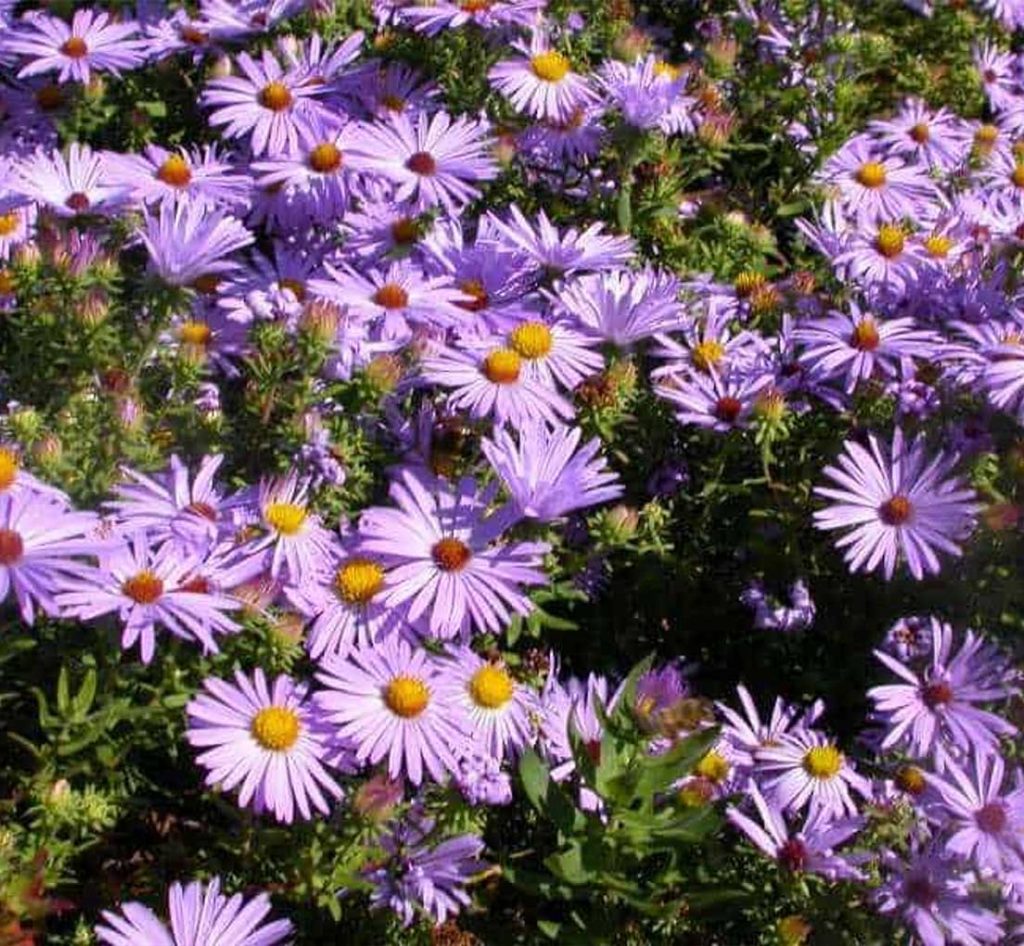
Also known as Aromatic Aster or Wild Blue Aster, is a tough, mounding native perennial celebrated for its spectacular late-season color. From September through November, it becomes covered in masses of purple-lavender, daisy-like flowers with bright golden-yellow centers, creating a beautiful burst of color when many other plants have finished blooming. Highly resilient and drought-tolerant once established, Fall Aster is an excellent choice for native gardens, perennial borders, cottage gardens, and pollinator landscapes. Its late-season blooms provide an important source of nectar for native bees, butterflies, and other beneficial insects when fewer flowers are available. The aromatic foliage adds another benefit, naturally helping deter deer and rabbits. With its long bloom season, wildlife value, and ability to thrive with relatively little maintenance, Fall Aster is a dependable native perennial that brings color and pollinator activity to the landscape well into fall.
Key Features:
Foliage:
Narrow, blue-green leaves that release a balsam-like fragrance when crushed.
Flowers:
Features 1-inch wide daisy-like blooms with violet-blue to purple rays and yellow center disks.
Size:
Grows 1 to 3 feet tall and 1 to 3 feet wide, forming a dense, bushy mound.
Care:
Requires full sun to part shade. At least 4 to 6 hours of direct sunlight ensures the heaviest bloom display. Highly adaptable. Thrives in well-draining, rocky, calcareous, or sandy soils. It tolerates heavy clays as long as it doesn’t stay waterlogged. Once established, it is remarkably drought-tolerant; overwatering can cause the plant to become leggy or develop root rot. Cut back up to half of the plant in June to prevent it from becoming top-heavy and to encourage a fuller, sturdier, mounding shape.