Tree of the month:
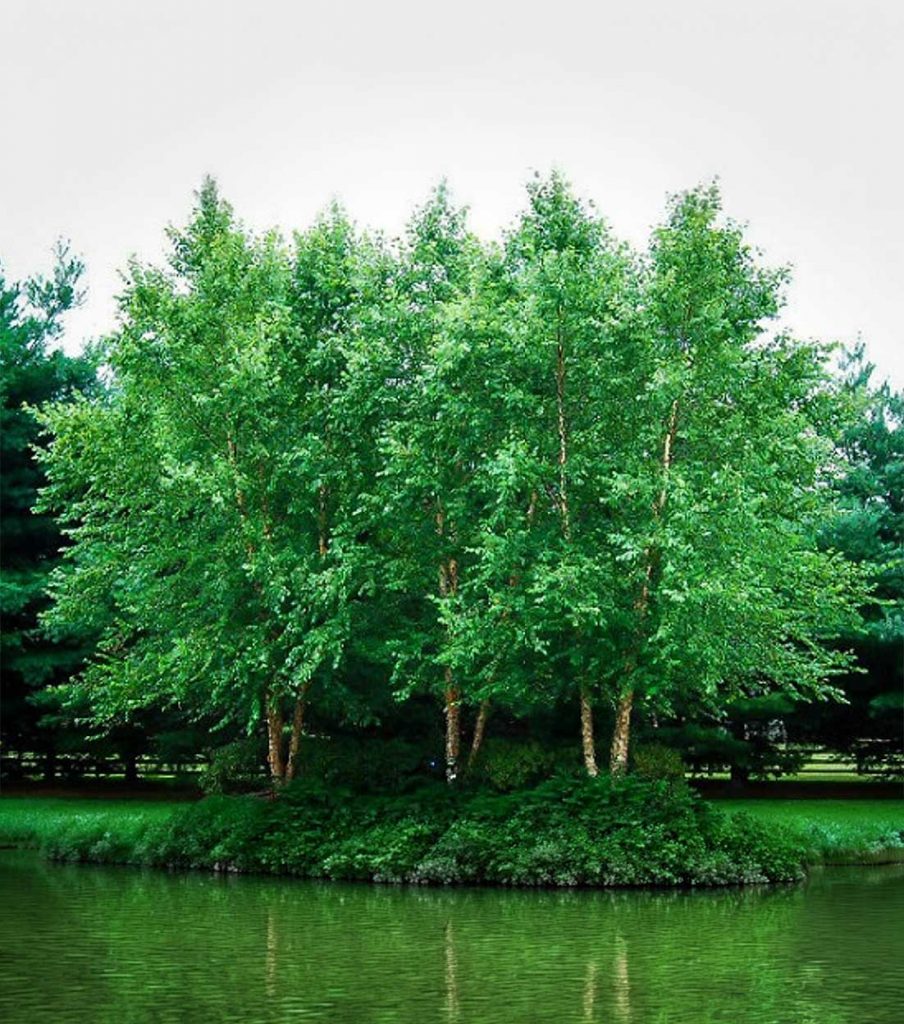
River Birch
The only native birch in Texas, the River Birch (Betula nigra), is a fast-growing, medium-sized shade tree famous for its peeling, cinnamon-colored papery bark. It thrives in East Texas floodplains but can be successfully grown across the state, particularly heat-tolerant cultivars like “Dura Heat”.
Key Characteristics:
Size:
Typically grows 30–50 feet tall with a 25–40 foot spread.
Bark:
Features beautiful, exfoliating layers of salmon-pink, cream, and cinnamon bark that provide excellent winter interest.
Foliage:
Bright green leaves with serrated edges that shimmer in the breeze and turn bright yellow in the fall.
Growing Conditions & Care:
Soil:
Prefers rich, moist, acidic soils but is highly adaptable to both clay and sandy loams. It naturally tolerates poor drainage and flooding.
Sunlight:
Requires full sun to partial shade.
Watering:
Must have consistent moisture. If planting in dry areas, a deep drip-irrigation system is highly recommended.
Shrub of the Month:
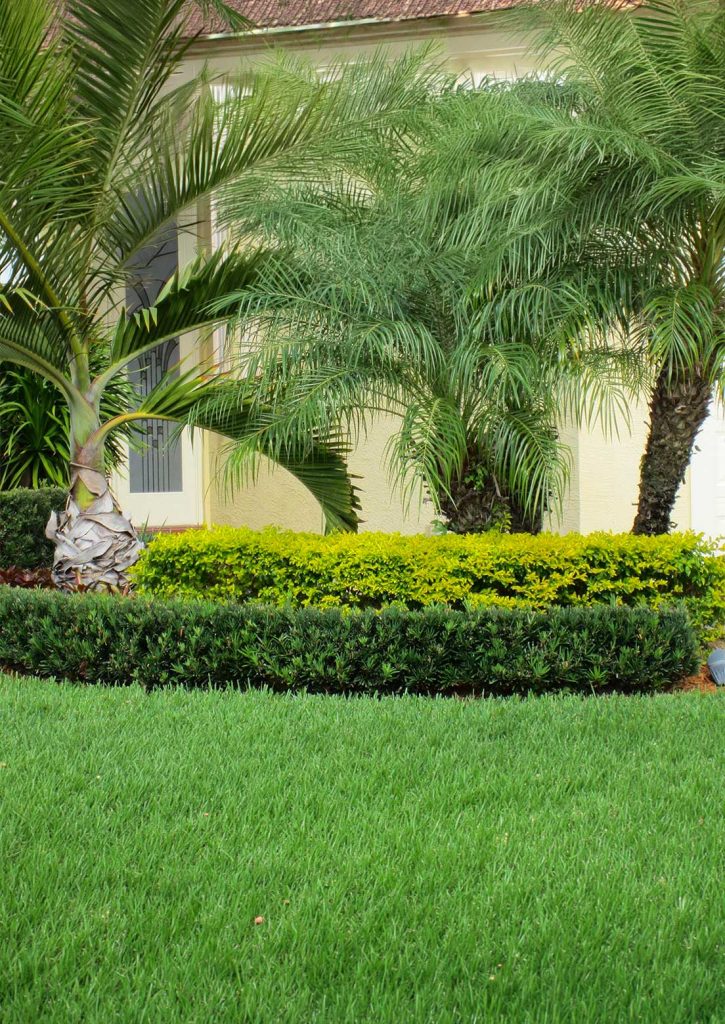
Pringles Yew
The Pringles Yew (botanical name: Podocarpus macrophyllus ‘Pringles Dwarf’) is a highly popular, low-growing evergreen shrub prized for its dense, dark green, needle-like foliage. Unlike standard yews or taller Podocarpus varieties, it maintains a naturally compact, mounded form that makes it excellent for low hedges, borders, and foundation plantings.
Key Characteristics:
Size:
Typically matures to 3 to 4 feet tall and 3 to 4 feet wide, growing at a relatively slow rate.
Hardiness:
Best suited for USDA Hardiness Zones 8–11 (though some variants handle Zone 7). It handles heat, salt spray, and mild drought well.
Sunlight:
Highly versatile, thriving in everything from full sun to partial shade. Foliage tends to be a deeper blue-green in the shade and a lighter medium-green in direct sun.
Care and Maintenance:
Soil:
Plant in rich, well-draining soil. It prefers a slightly acidic to neutral pH.
Water:
Water regularly during the first growing season to establish the root system. Once established, it is water-wise and only needs supplemental watering during long dry spells.
Pruning:
Requires minimal pruning due to its natural symmetry, but responds beautifully to formal shearing if you prefer a crisp hedge. Shape it in late winter or early spring.
***Note: This plant is toxic for pets and humans if ingested.
Perennial of the Month:
New Gold Lantana
New Gold Lantana (Lantana camara ‘New Gold’) is a highly popular, heat-loving perennial famous for its vibrant, golden-yellow blooms and vigorous spreading habit. It is widely used in landscaping as a groundcover, for mass plantings, or in containers.
Key Benefits:
Eco-Friendly:
Sterile and non-invasive, making it safe for regions where common lantana is considered a pest.
Wildlife Friendly:
Highly attractive to butterflies, bees, and hummingbirds.
Resilient:
Extremely drought-tolerant once established and naturally resistant to deer and rabbits.
Care & Maintenance:
Watering:
Water regularly during the first growing season to establish a deep root system. Afterward, switch to deep, infrequent watering.
Soil:
Prefers average, well-draining soil.
Pruning:
Give it a hard prune to the ground in early spring to refresh growth and encourage rapid, bushy renewal.
***Note: All parts of the Lantana plant are toxic if ingested by humans or pets, and the foliage can cause mild skin irritation in sensitive individuals.