Tree of the month:
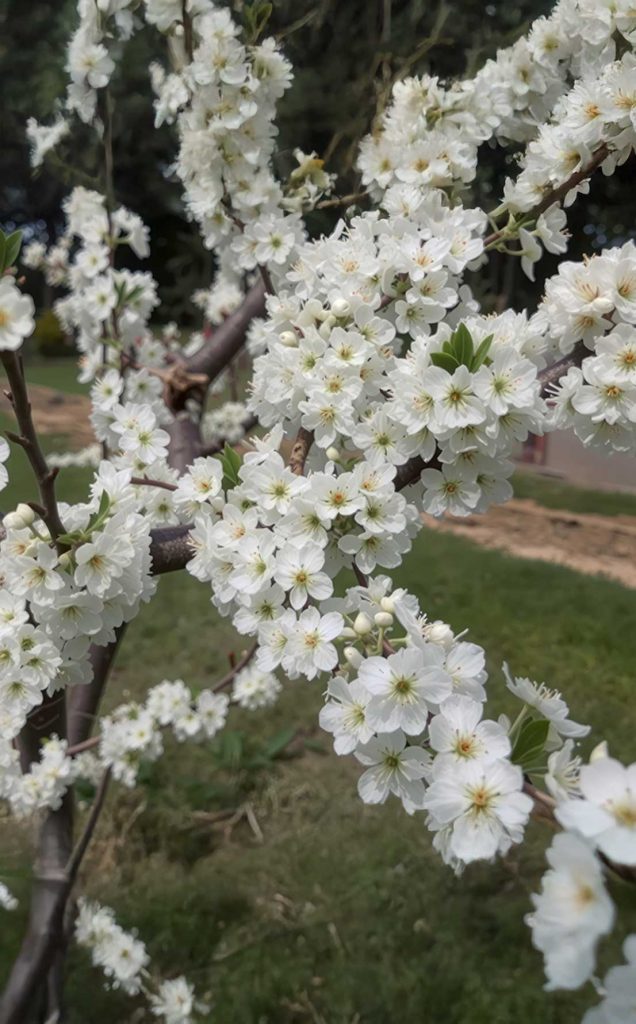
The Mexican plum (Prunus mexicana) is a hardy, native fruit tree highly valued for its fragrant early spring blossoms, drought tolerance, and role in supporting local wildlife. Unlike many other wild plums, it typically grows with a single trunk and does not form thickets, making it a manageable choice for smaller residential landscapes.
Key Characteristics:
Appearance:
It reaches a mature height of 15–35 feet with a similar spread. Its bark is a standout feature, maturing from smooth and satiny to a blue-gray with horizontal striations that can peel or flake, much like a cherry tree.
Flowers & Fruit:
In late winter or early spring, it produces mass clusters of fragrant white flowers. These are followed by edible plums that ripen from yellow to mauve or deep purple between July and September.
Wildlife Value:
It is a critical nectar source for native bees and a larval host for butterflies like the Tiger Swallowtail and Cecropia moth. Birds and small mammals frequently consume the fruit.
Growing & Care Requirements:
Hardiness:
It is typically hardy in USDA Zones 6–9, though some varieties can survive down to Zone 5.
Light:
While it can tolerate partial shade, it performs best and produces more fruit in full sun (at least 6 hours daily).
Soil & Water:
This tree is highly adaptable to various soil types, including clay and limestone, provided they are well-drained. Once established (usually after two years), it is very drought-tolerant.
Pollination:
While often considered self-fertile, planting two or more trees together significantly increases fruit yield through cross-pollination.
Shrub of the Month:
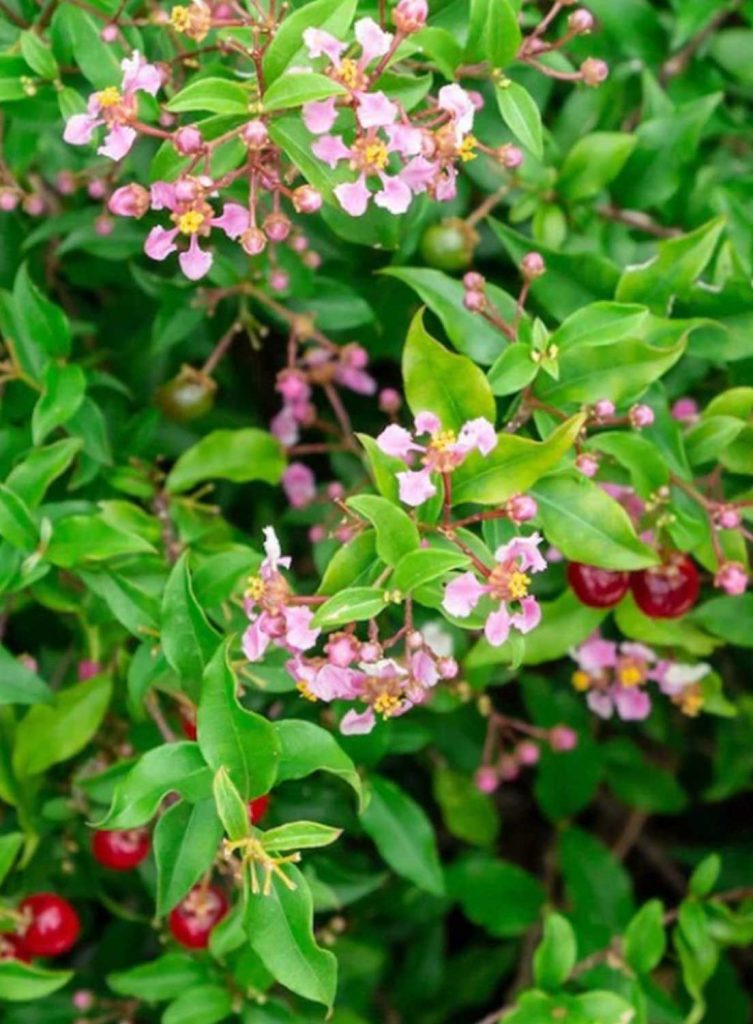
The Dwarf Barbados Cherry (Malpighia glabra ‘Nana’) is a compact, evergreen shrub prized for its resilience and high-nutrient fruit. Often used as a low hedge or a bonsai specimen, this “Nana” variety typically stays between 3 to 4 feet tall, making it much easier to manage than the standard 15-foot tree.
Key Characteristics:
Flowers & Fruit:
It produces delicate pink-and-white blossoms from spring through fall, followed by small red cherries that are incredibly rich in Vitamin C—often cited as having 30 to 50 times more than an orange.
Growth Habit:
It has a dense, spreading habit with small, glossy green leaves.
Versatility:
While the fruit is edible (though tart), many gardeners grow it primarily for its ornamental beauty or to attract pollinators and birds.
Tips for Growing:
Container Gardening:
Because it is compact, it is an excellent choice for patio pots. In colder climates (Zones 8 and below), growing it in a container allows you to move it indoors when temperatures drop below 40°F.
Pruning:
It takes shearing well and can be shaped into a neat, rounded shrub or low hedge. Prune in late winter or early spring before new growth starts.
Pest Watch:
Keep an eye out for aphids and whiteflies, which can be treated with neem oil or insecticidal soap.
Perennial of the Month:
Malvaviscus arboreus var. drummondii (Turk’s Cap) is a hardy, shrubby, Texas-native perennial, ideal for shade or part-sun in USDA Zones 7-10. It grows 3-9 feet tall, featuring twisted red flowers that rarely open, which are magnets for hummingbirds and butterflies. It is drought-tolerant once established and blooms from summer through fall.
Key Characteristics and Care:
Flowers:
Hibiscus-like, bright red (or pink/white for some cultivars) blooms that resemble a Turkish turban.
Size:
Typically 3-5 feet wide and 2-3 feet high, but can reach up to 10 feet tall.
Sun/Shade:
Thrives in partial shade, particularly under trees, but can handle full sun.
Soil/Water:
Highly adaptable, prefers well-drained soil, and is drought-tolerant once established.
Hardiness:
Deciduous in colder zones (7-8), dying back in winter and returning in spring; often evergreen in warmer, frost-free climates.
Wildlife/Edible:
Attracts pollinators and produces edible red apple-like fruit.
Landscape Uses:
Under Shade Trees:
Thrives under live oaks or cedars where grass cannot grow.
Foundation Plantings:
Ideal for north or east-facing walls to add texture.
Mixed Borders:
Combines well with salvias and ornamental grasses.